Stone Polishing vs. Stone Replacement for Commercial Properties
People seeking stone polishing for commercial properties aim to restore shine and smoothness, and local service providers can expertly perform polishing or recommend replacement options as needed.
If you're exploring options for maintaining or upgrading the stone surfaces on a commercial property, you're in the right place. Understanding the differences between stone polishing and stone replacement can help property owners make informed decisions that balance appearance, durability, and cost-effectiveness. Many local contractors specialize in stone polishing services, which can restore the natural luster of existing stone surfaces, making them look fresh and well-maintained without the need for costly replacements. This practical approach can be especially appealing for property owners seeking to preserve their investment while enhancing curb appeal.
Continuing with this topic, it’s important to consider the specific needs of your property’s stone surfaces. While stone replacement might seem like a straightforward solution for heavily damaged or outdated surfaces, stone polishing offers a way to refresh and extend the life of existing stone with minimal disruption. Local service providers can evaluate the condition of your stone and recommend whether polishing will meet your goals or if replacement is necessary. By exploring these options, property owners can find effective, practical solutions that keep their commercial spaces looking professional and inviting.
- Surface restoration - When commercial properties need to restore worn or dull stone surfaces, local contractors often recommend polishing to enhance appearance without full replacement.
- Surface preservation - For ongoing maintenance of existing stone floors, local service providers can perform polishing to extend the life of the material and maintain a polished look.
- Surface renewal - When stone surfaces show minor damage or surface scratches, local pros may suggest polishing as a cost-effective alternative to replacement.
- Surface upgrade - Businesses seeking to improve the aesthetic appeal of their stone surfaces often opt for polishing over replacement, with local contractors providing expert finishing.
- Surface repair - In cases of surface staining or light etching, local pros can often restore the stone’s appearance through polishing, avoiding the need for full replacement.
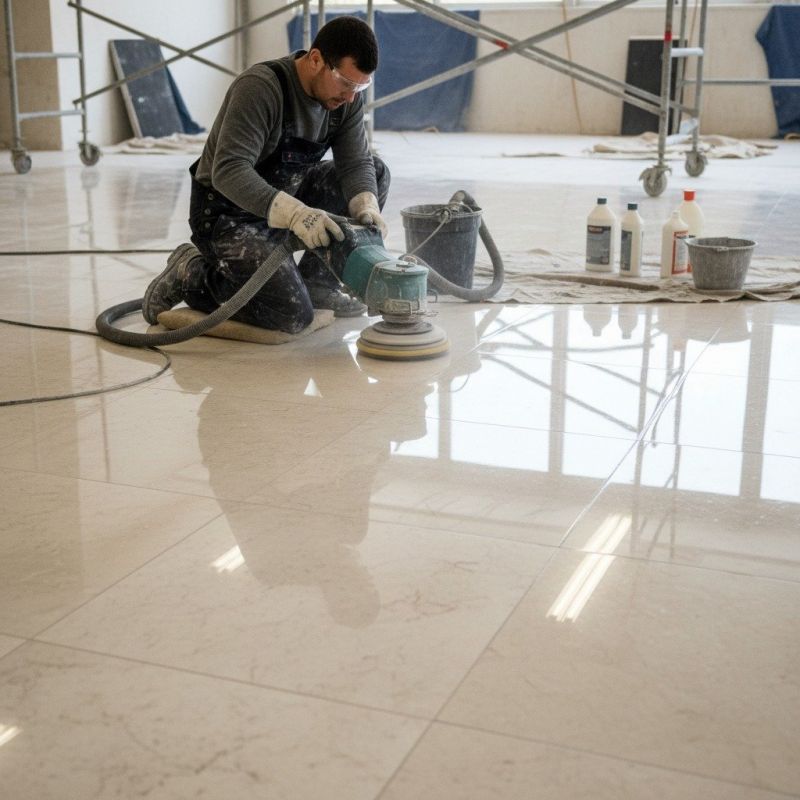
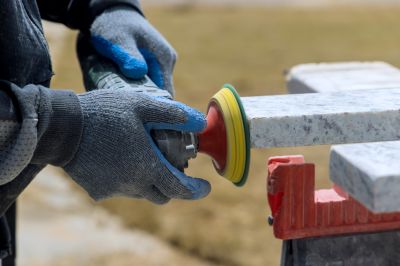
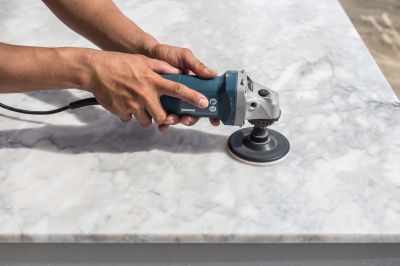
When people search for stone polishing vs. stone replacement for commercial properties, they are often trying to determine the best way to maintain or improve the appearance and durability of their stone surfaces. This comparison typically arises when property owners notice signs of wear, such as scratches, dullness, or stains on their stone floors, countertops, or facades. The goal is usually to restore the natural beauty of the stone while avoiding unnecessary or costly replacements. Understanding the differences between these options helps property managers and business owners make informed decisions that align with their maintenance plans and aesthetic goals.
The decision between stone polishing and stone replacement often relates to the current condition of the stone, the type of project, and the long-term plan for the property. Stone polishing involves using specialized techniques and equipment to restore a surface’s shine and smoothness without removing significant material. It is a practical solution for surfaces that are structurally sound but have lost their luster over time. On the other hand, stone replacement is considered when the existing stone is severely damaged, cracked, or stained beyond repair. This approach involves removing the old stone and installing new material, which can be part of a larger renovation or re-design project. Local service providers specializing in stone work can assess the condition of the surface and recommend the most effective approach.
The types of properties where this comparison is most relevant tend to include commercial spaces such as retail stores, office buildings, restaurants, and hospitality venues. These properties often feature large expanses of stone flooring, countertops, or decorative surfaces that contribute significantly to their visual appeal. In some cases, the choice between polishing and replacement depends on the property's age, usage, and overall design goals. For example, a high-traffic lobby with worn but intact stone might benefit from polishing to restore its appearance, while a damaged or outdated stone feature might require replacement to meet modern standards. Local contractors who specialize in stone restoration and installation can provide tailored advice based on the specific needs of each commercial property.
For property owners exploring stone polishing vs. stone replacement for commercial properties, understanding how each option fits into their project plans is key. Stone polishing offers a cost-effective and less disruptive way to refresh surfaces without extensive downtime, making it suitable for ongoing maintenance or minor aesthetic updates. Conversely, stone replacement may be necessary when the existing stone no longer serves its functional or visual purpose, especially in cases of extensive damage or outdated design. Local service providers with expertise in both techniques can evaluate the condition of the stone and recommend the most suitable solution to help maintain the property's professional appearance and long-term value. This guidance ensures that property owners can choose the right approach for their specific project needs.
Floor Restoration Projects - specialists who perform comprehensive floor restoration often handle stone polishing to improve appearance and durability, making them relevant for comparing polishing versus replacement options.
Marble and Granite Refinishing - contractors skilled in refinishing natural stone surfaces use polishing techniques that can extend the life of stone surfaces in commercial settings, providing an alternative to replacement.
Surface Repair and Restoration - projects focused on repairing damaged stone surfaces often involve polishing to restore appearance, aligning with the skills needed for stone polishing services for commercial properties.
Exterior Stone Cleaning - exterior cleaning services for stone facades utilize polishing methods to remove stains and surface imperfections, which can help avoid full replacement in many cases.
Commercial Flooring Installation - installers who work with various flooring materials, including stone, can advise on whether polishing can preserve existing surfaces or if replacement is necessary.
Countertop Renovation - renovation projects for commercial countertops often involve polishing to refresh surfaces, making them comparable to stone polishing services for maintaining or upgrading stone features.
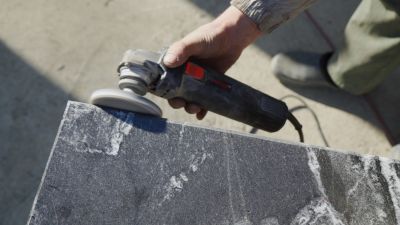
When evaluating service providers for stone polishing versus stone replacement in commercial properties, it’s important to consider their experience with similar projects. A contractor’s familiarity with the specific types of stone and the scale of commercial spaces can impact the quality and durability of the results. Homeowners should inquire about the types of surfaces they have worked on before and whether they have successfully handled projects comparable in size and complexity. This helps ensure that the chosen local contractor understands the nuances of commercial stone surfaces and can recommend the most appropriate approach.
Clear, written expectations are essential when comparing local pros for stone polishing services. A reputable contractor should be able to provide detailed descriptions of the work scope, including the techniques used, the extent of polishing or replacement, and the anticipated outcomes. Having these details in writing helps prevent misunderstandings and ensures that both parties share a common understanding of the project. It also allows homeowners to compare proposals more effectively, ensuring the selected service provider aligns with their goals for the appearance and longevity of their stone surfaces.
Reputable references and good communication are key indicators of a reliable local contractor. Homeowners should ask for references from previous commercial clients who had similar work done, as this provides insight into the contractor’s track record and professionalism. Additionally, how a service provider communicates-whether they are responsive, transparent, and attentive to questions-can significantly influence the overall experience. Consistent, clear communication helps ensure that expectations are met and that any concerns are addressed promptly, making it easier to select a professional who will deliver quality results for stone polishing or stone replacement projects.
Property owners often search for stone polishing vs. stone replacement for commercial properties when they are planning practical projects around their homes and businesses. Local pros provide Stone Polishing services for everyday jobs and straightforward project options.
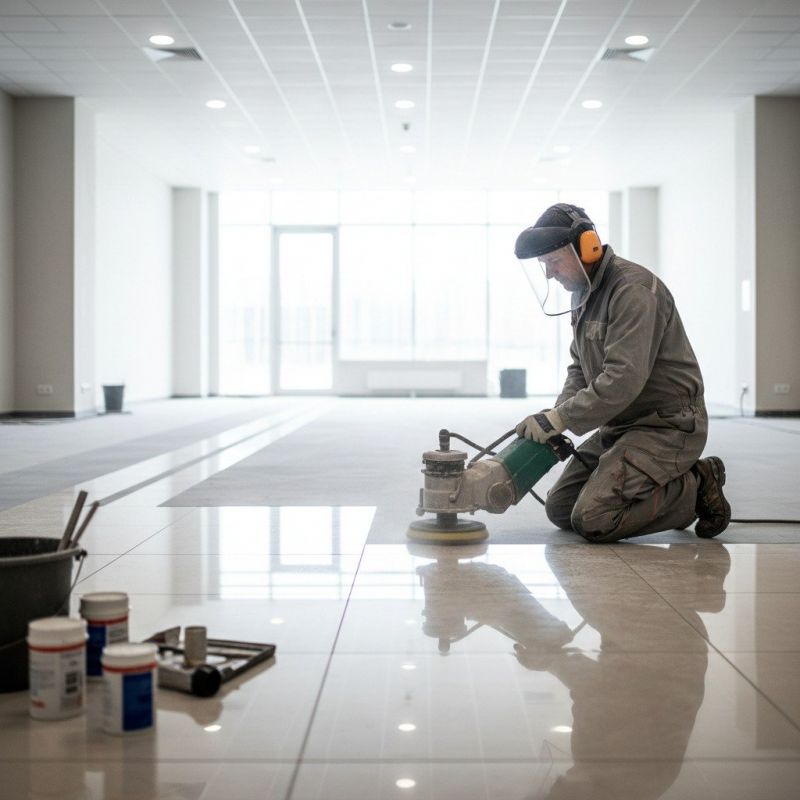
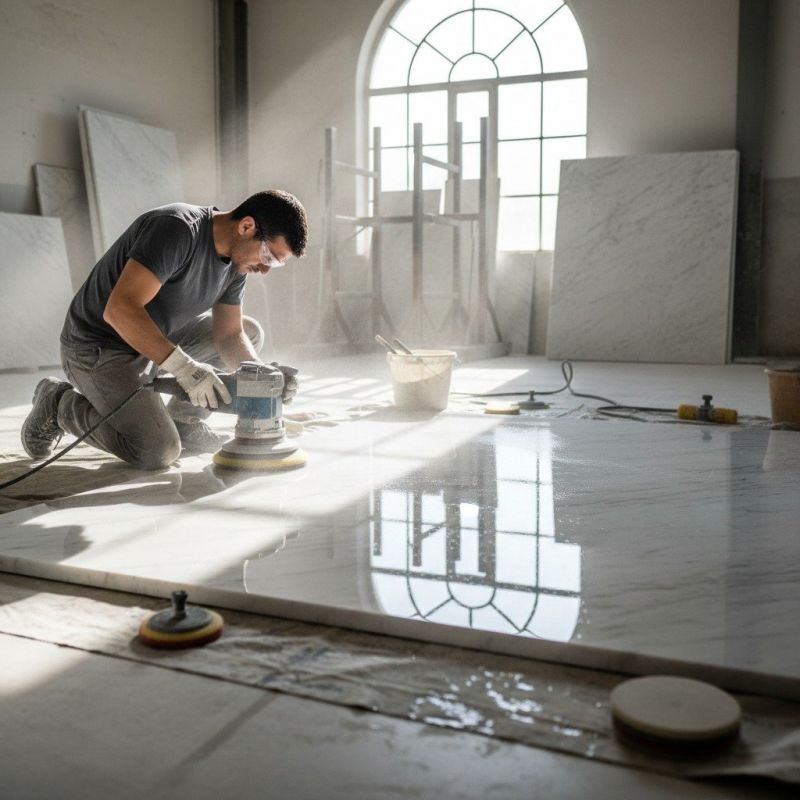
In many commercial properties, maintaining the appearance of stone surfaces is an ongoing concern for property owners. When floors or countertops become dull, scratched, or stained, they often consider whether stone polishing or stone replacement is the best solution. For everyday project situations, local contractors who specialize in stone polishing can provide a cost-effective way to restore the natural shine and smoothness of existing stone surfaces without the need for costly replacements. This approach is especially appealing for properties looking to refresh their spaces quickly while preserving the original material.
On the other hand, some property owners may face more extensive damage or outdated surfaces that no longer respond well to polishing. In such cases, local service providers who handle stone replacement can offer options to upgrade or completely redo the affected areas. Understanding the differences between stone polishing vs. stone replacement for commercial properties helps owners make informed decisions based on the condition of their surfaces, budget considerations, and long-term goals. Connecting with experienced local contractors can assist in evaluating whether a simple polish will suffice or if a replacement might be necessary to meet the property's needs.
What is the main difference between stone polishing and stone replacement for commercial properties? Stone polishing enhances the appearance and surface smoothness of existing stone surfaces, while stone replacement involves removing damaged or worn stones and installing new ones. Local contractors can assess whether polishing will restore the stone or if replacement is necessary.
When should a commercial property consider stone polishing instead of replacement? Stone polishing is suitable when the existing stone is structurally sound but has surface dullness, stains, or minor imperfections. Local service providers can determine if polishing will meet the property's aesthetic goals or if replacement is needed.
Can stone polishing extend the lifespan of existing stone surfaces in commercial settings? Yes, professional stone polishing can help preserve and maintain stone surfaces, reducing the need for replacement by restoring their appearance and sealing the surface against future damage. Local pros can advise on the best approach for longevity.
Are there situations where stone replacement is more practical than polishing for commercial properties? Replacement may be more practical when the stone is severely cracked, chipped, or heavily stained, making polishing unlikely to restore its appearance or integrity. Local contractors can evaluate the condition and recommend the most effective solution.
How do local pros determine whether to recommend stone polishing or replacement for a commercial property? They assess the stone's condition, damage extent, and aesthetic requirements to decide if polishing will restore the surface or if replacement is necessary for durability and appearance. This evaluation helps ensure the right solution for the property's needs.
Assessing surface condition - Property owners can evaluate whether their stone surfaces are dull, scratched, or stained to determine if stone polishing services are suitable for restoring their appearance.
Deciding between polishing and replacement - Commercial property managers can consult with local contractors to compare the benefits of stone polishing versus stone replacement based on the extent of surface damage.
Planning maintenance schedules - Regularly scheduling stone polishing with local pros can help maintain the aesthetic appeal of stone surfaces, potentially delaying the need for costly replacements.
Enhancing property value - Implementing stone polishing projects can improve the overall look of a property, making it more attractive without the disruption of replacing existing stone features.
If you are thinking about stone polishing vs. stone replacement for commercial properties for a property, this guide is meant to help you understand this topic, the typical project types, and how different options might fit your plans.
When you are ready, you can use the quote form on this page to share a few details about your project. From there, local pros can review the basics and follow up with options that match what you have in mind.